
Introduction
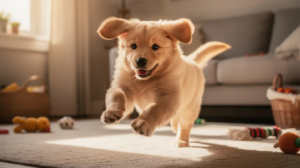
Puppy zoomies are those sudden bursts of frenetic energy where your pup tears through the house or yard at full speed, spinning, darting, and changing direction without warning. Zoomies are especially common in puppies and young dogs, possibly because younger dogs tend to have more frequent bursts of energy and become excited or overstimulated more easily. If your young dog regularly launches into these wild sprints while displaying loose, playful body language, you’re usually witnessing a normal canine behavior.
This guide is designed for dog owners, especially puppy owners in the Lehigh Valley region, who want to understand what may be behind these episodes, how to manage them safely in the house or yard, and when to seek professional or veterinary support.
We’ll cover the possible triggers and practical steps you can take starting today. Medical conditions that cause unusual activity or sudden behavior changes should be discussed with your veterinarian. Breed-specific exercise recommendations should also account for your puppy’s age, health, and stage of physical development.
In short, puppies may experience zoomies when releasing pent-up energy, expressing excitement, or decompressing after a stimulating or stressful experience. These episodes are commonly called Frenetic Random Activity Periods, or FRAPs, and they are usually considered normal when the puppy appears playful, comfortable, and able to settle afterward.
By reading this article, you will:
- Understand what Frenetic Random Activity Periods are and why puppies may be especially prone to them
- Learn to identify common triggers and timing patterns for your puppy’s zoomies
- Implement safety measures to keep your puppy safe during episodes
- Apply practical training and energy-management strategies
- Recognize when professional or veterinary help may be needed
Understanding Puppy Zoomies
Frenetic Random Activity Periods, or FRAPs, are a commonly recognized pattern of canine behavior, although their exact causes and functions are not fully understood. Learning what these episodes look like, what commonly occurs before them, and how younger dogs may differ from older dogs gives you a practical foundation for managing them safely.
What Are Frenetic Random Activity Periods?
Zoomies, also called Frenetic Random Activity Periods or FRAPs, are brief, intense episodes in which a dog suddenly runs at high speed, often following loops or changing direction unpredictably. An obvious trigger may not always be present.
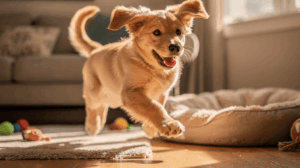
During a zoomie session, you may see a tucked rear end while running, play bows, an open-mouth expression, and fast loops around furniture or the yard. Look at the entire body rather than tail position alone. A loose, wiggly body and playful movements generally suggest enjoyment, while a stiff posture, tightly tucked tail, lowered head, pinned ears, or frantic escape attempts may indicate fear or distress.
Most zoomie episodes are brief and end without intervention, although their duration varies among dogs and situations. Zoomies are particularly common in puppies and young dogs and are usually harmless when the dog appears comfortable and is running in a safe environment.
How Puppy Zoomies Differ From Adult Dog Behavior
Zoomies are generally observed more often in puppies and young dogs than in mature adults, although dogs of any age may experience them. Older dogs may still zoom after exciting events, play, bathing, or periods of inactivity. Frequency varies according to the individual dog’s age, temperament, health, routine, environment, and activity level.
Research involving 160 candidate assistance dogs found that performance on several cognitive tasks, including measures of executive function, generally improved between 8–10 weeks and approximately 21 months. However, that study did not examine zoomies or prove that immature impulse control causes FRAPs. It supports the broader point that important cognitive abilities continue developing as puppies mature. You can review the dog cognitive development study for more information.
Many dogs experience zoomies less frequently as they mature, but there is no fixed age when these episodes stop. Some dogs continue to get occasional zoomies throughout adulthood.
Common Reasons Puppies Experience Zoomies
The exact cause of FRAPs is not fully understood. Episodes may occur around activity, excitement, stimulation, stress, or changes in routine, and the triggers can vary among individual dogs.
Pent-Up Energy and Activity Changes
Young puppies alternate between periods of sleep and short bursts of activity. They need substantial rest, but the amount varies according to age, environment, health, and the individual puppy. Periods of confinement or inactivity may sometimes be followed by zoomies, although this pattern does not prove that insufficient exercise caused the episode.
This helps explain why some puppies begin zooming after being released from a crate or playpen. The transition from quiet confinement to open space can create excitement and an opportunity for fast movement.
Appropriate physical activity, training, enrichment, and rest can help support a balanced routine. There is no universal number of exercise minutes suitable for every puppy. Use several short, age-appropriate activities instead of strenuous or prolonged exercise, and ask your veterinarian what is appropriate for your puppy’s breed, growth stage, health, and vaccination status.
Providing regular play and interaction can offer physical activity, mental engagement, and opportunities to strengthen communication with your puppy.
Excitement and Possible Stress Relief
Zoomies commonly occur during or after exciting events, such as an owner returning home, the beginning of play, or anticipation of a familiar activity. In these situations, loose and playful body language may suggest that the puppy is expressing excitement.
Zoomies may also occur after potentially stressful or stimulating experiences, including bathing, grooming, or a veterinary visit. Some behavior professionals interpret these episodes as a possible release of pent-up arousal, but the exact function is not known.
Your puppy’s body language before, during, and after the episode can provide useful context. A puppy who runs with loose, playful movements and settles comfortably afterward may be responding to excitement. A puppy who remains tense, avoids interaction, hides, pants excessively when not hot, or struggles to settle may still be experiencing stress.
High-arousal situations can precede zoomies whether the source is positive or negative. Instead of assuming every episode reflects happiness, consider what happened immediately before it and how your puppy behaves once the running stops.
Natural Play and Development
Zoomies often include movements associated with play, such as play bows, quick turns, chase invitations, and loose body movement. Running and appropriate play contribute to physical activity and allow puppies to practice movement, but current evidence does not establish that FRAPs evolved specifically to build strength, coordination, predator-evasion skills, or social bonds.
When zoomies occur around people or other dogs, they may invite play. Supervise interactions carefully and make sure everyone involved remains comfortable. Avoid allowing a zooming puppy to collide with children, older adults, other animals, or dogs that do not want to participate.
A puppy socialization checklist can help owners introduce dogs, people, sounds, environments, surfaces, and other experiences gradually without relying on uncontrolled interactions.
Safe Management and Training Considerations
Puppy zoomies are usually harmless, but they require thoughtful management to protect your puppy, other people, and your home. The goal is to give your puppy a safe outlet without allowing fast, unpredictable movement near stairs, traffic, slippery surfaces, or fragile objects.
Safety Protocol During Zoomie Episodes
Because puppies sprint at full speed and change direction quickly, environmental hazards become real concerns. Create a safer area for zoomies by following these steps:
- Clear indoor pathways by moving fragile items, securing loose rugs, and creating space away from furniture with sharp edges.
- Block access to stairs, slippery floors, and narrow spaces where your puppy could collide with furniture or walls.
- Supervise outdoor zoomies and make sure the area is securely fenced with safe footing. This is especially important in the Lehigh Valley when seasonal weather creates icy, wet, or muddy surfaces.
- Avoid chasing or grabbing at your puppy because this may increase excitement or turn the situation into a chase game.
- If your puppy approaches danger, calmly guide them toward a secure area using a familiar recall cue, treats, or a favorite toy.
Many owners find it helpful to designate a specific room or fenced section of the yard as a zoomie area. Keep that space free of breakable objects, holes, unstable surfaces, and other hazards.
Training Applications and Energy Management
Managing zoomies involves balancing activity, enrichment, training, and rest according to your puppy’s age and individual needs.
| Management Strategy | Indoor Application | Outdoor Application |
| Structured activity | Short training sessions, settling exercises, and structured obedience training | Controlled leash walks and recall practice |
| Appropriate outlets | Puzzle toys, interactive feeding, scent games, and supervised play | Safe activity in a secure yard or another veterinarian-approved location appropriate for the puppy’s vaccination status and temperament |
| Routine building | Consistent meal, potty, play, and rest periods | Regular outdoor exploration suited to the puppy’s age, health, and energy level |
Interactive play, age-appropriate walks, training, scent activities, and food-based enrichment may help meet your puppy’s physical and mental needs. These activities can support a more balanced routine, but they will not necessarily eliminate zoomies because FRAPs may also occur after excitement, stimulation, or stress.
Skills such as “settle,” “wait,” and name recognition can be practiced during calm moments. These exercises do not guarantee that zoomies will stop, but they give you familiar behaviors to reinforce when your puppy is able to respond.
Many owners notice a predictable period of increased activity in the late afternoon or evening, sometimes called the “witching hour.” If this happens regularly, experiment with a calm sniffing activity, brief structured play, a potty break, or an earlier rest period. Some puppies need an appropriate outlet, while others are overstimulated and need help settling.
Puppies may also zoom after waking from a nap. A brief potty break followed by age-appropriate activity can help direct that energy safely.
Balance activity with adequate rest. Adding more exercise is not always the answer, particularly when a puppy is already tired or overstimulated. Long or strenuous sessions may be inappropriate for growing puppies.
Expecting adult-level consistency from a 10-week-old puppy is unrealistic. Practice simple skills such as waiting briefly for food, responding to their name, settling on a mat, and pausing at doorways during calm moments.
Research shows that 8–10-week-old puppies can perform some basic cognitive tasks, including tasks involving early inhibitory control. However, the research does not establish that these exercises prevent zoomies. Patience, repetition, and age-appropriate expectations remain essential. You can read the research on young puppy cognition for additional context.
Common Challenges and Solutions
Even with good management, certain zoomie-related challenges can frustrate dog owners. The following strategies address some of the most common concerns.
Zoomies During Training Sessions
Some puppies begin zooming during training when they become excited, distracted, frustrated, or overstimulated. If this happens, pause the session and allow your puppy to move or settle safely before deciding whether to continue.
Keep sessions brief enough to maintain engagement, but use your puppy’s body language rather than a fixed time limit. Appropriate session length varies among puppies. Signs that your puppy may need a break include repeatedly disengaging, grabbing the leash, becoming increasingly mouthy, barking, losing interest in rewards, or running away from the training area.
After the episode, calmly offer a familiar cue or easy exercise your puppy already understands. If your puppy remains unable to focus, end the session and try again later rather than increasing pressure.
Mouthy Behavior During Zoomies
Some puppies become nippy or mouthy during high-arousal zoomie episodes. This may reflect play, teething, frustration, or overstimulation rather than aggression.
Practice a settling cue during calm moments, provide appropriate chew toys, and avoid handling or rough play that increases arousal during an episode. Calmly create distance if your puppy begins grabbing clothing, hands, or ankles.
Owners can also review these puppy chewing and redirection strategies to help guide normal mouthing toward safer items.
If biting causes injury, the behavior escalates, the puppy becomes stiff or difficult to interrupt, or the change appears suddenly, consult a veterinarian and a qualified behavior professional. The Reactivity and Aggression Training Program may be relevant when zoomies occur alongside persistent fear, reactivity, or aggressive behavior, but medical contributors should be considered first.
Frequent Zoomies Disrupting Daily Routines
Frequent zoomies may indicate that your puppy’s activity, enrichment, stimulation, and rest need better balance, but frequency alone does not identify the cause.
Track when episodes occur and whether your puppy appears playful, overtired, anxious, frustrated, or unable to settle. Note what happened immediately before each episode, how long it appeared to last, and how your puppy behaved afterward.
Adjust activity and rest gradually rather than automatically adding more exercise. Puzzle feeders, scent work, short training games, appropriate play, predictable potty breaks, and quiet rest periods may help you develop a more balanced routine.
Consult a veterinarian if the behavior changes suddenly, appears compulsive, causes injury, occurs with pain or unusual movement, or is accompanied by persistent fear, anxiety, aggression, or difficulty settling.
Conclusion and Next Steps
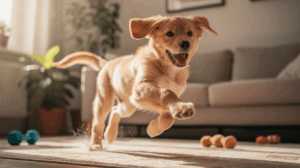
Puppy zoomies are usually normal and may continue occasionally into adulthood. Their exact cause is not known, but they commonly appear around periods of excitement, play, inactivity, or potentially stressful experiences.
The goal isn’t to eliminate zoomies entirely. Focus on providing a safe environment, meeting your puppy’s age-appropriate needs, and recognizing body language that may signal fear, pain, or distress.
Start with these immediate steps:
- Designate a safe space in your house or yard where your puppy can run, with hazards removed and surfaces secured.
- Establish a daily routine that balances age-appropriate activity, mental enrichment, potty breaks, and rest.
- Practice simple skills such as “settle,” “wait,” recall, and name recognition during calm moments.
- Track your puppy’s triggers and timing patterns, such as bathing, waking from a nap, family members arriving home, or evening activity.
- Consult a veterinarian if the episodes change suddenly or occur with pain, fear, physical abnormalities, aggression, or difficulty settling.
For puppies with persistent energy-management challenges or zoomie patterns that interfere with daily routines, professional guidance may help owners develop a more appropriate schedule and training plan. Lehigh Valley owners can learn more about the Puppy Training Consultation when they need support with early routines and common puppy behavior.
Frequently Asked Questions About Puppy Zoomies
What exactly are dog zoomies, and why do puppies get them?
Dog zoomies, commonly called Frenetic Random Activity Periods or FRAPs, are sudden bursts of fast, playful movement. Their exact cause is unknown, but they often occur around excitement, play, periods of inactivity, or potentially stressful experiences. They are usually normal when the puppy appears comfortable and is running safely.
Are zoomies good for puppies?
Zoomies are usually harmless rather than something that must be encouraged or prevented. They provide physical activity, but evidence does not establish that FRAPs specifically build muscles, improve coordination, or release mood-boosting endorphins. The main priority is giving your puppy a secure area with safe footing.
When do puppies usually have zoomies?
Puppies may experience zoomies after waking from a nap, during or after play, following a bath, when family members return home, or during a period of increased evening activity. Triggers and timing vary, so tracking your puppy’s routine can help you identify patterns.
How can I keep my puppy safe during zoomies?
Create a secure space free of fragile items, slippery surfaces, stairs, traffic, and other hazards. Supervise your puppy, avoid chasing or grabbing them, and make sure outdoor areas are securely fenced. Age-appropriate exercise, enrichment, and adequate rest may support a more balanced routine, although they will not necessarily eliminate normal zoomies.
Should I be concerned if my puppy has frequent zoomies?
Frequent zoomies may mean your puppy’s activity, enrichment, stimulation, and rest need adjustment, but the number of episodes alone does not reveal the cause. Consult a veterinarian if the behavior changes suddenly, appears compulsive, causes injury, or occurs with pain, fear, anxiety, aggression, abnormal movement, or difficulty settling. A qualified trainer or behavior professional can help with routine and management once medical concerns have been considered.
